

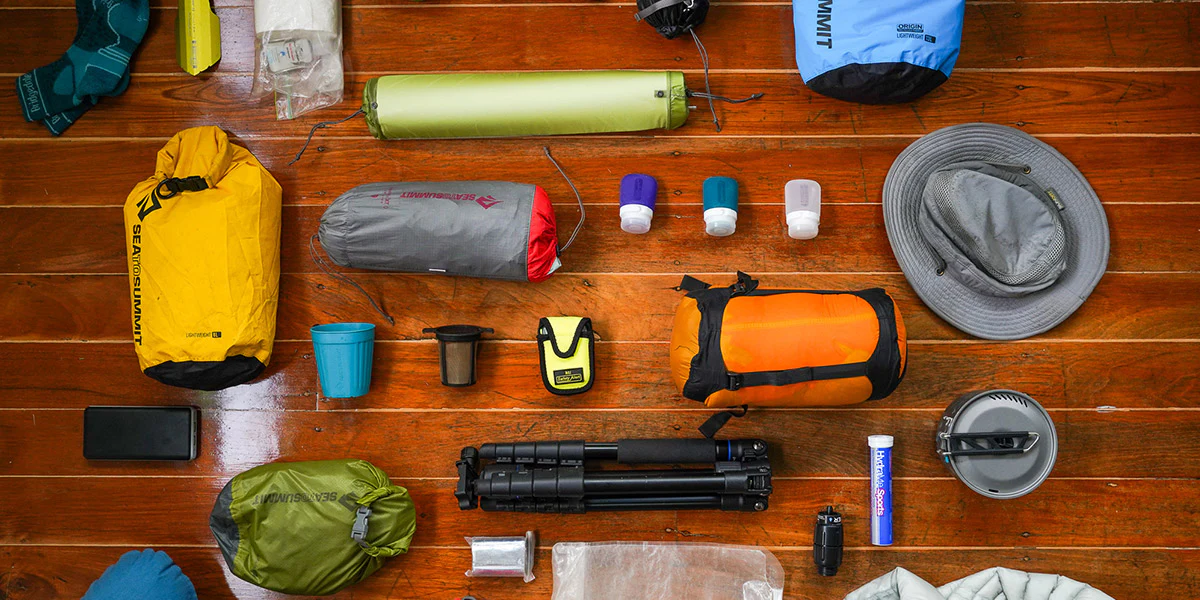
Adventure travel demands more than just enthusiasm—it requires smart, efficient packing. Whether you’re heading into the mountains, desert, or coastline, the right gear can make the difference between a smooth journey and unnecessary struggle.
This checklist covers essential items to keep you prepared, comfortable, and safe.
Why Packing Right Matters
Packing for adventure travel isn’t about carrying more—it’s about carrying what truly matters.
Key reasons to plan carefully:
- Limited access to supplies in remote areas
- Changing weather and terrain conditions
- Need for safety and self-sufficiency
- Physical strain from carrying heavy loads
A well-packed bag balances utility, weight, and versatility.
Essential Clothing
Clothing should be adaptable, lightweight, and suitable for layering.
Base Layers
- Moisture-wicking t-shirts
- Thermal tops (for cold climates)
Mid Layers
- Fleece or insulated jacket
- Lightweight hoodie
Outer Layers
- Waterproof and windproof jacket
- Rain poncho
Bottoms
- Quick-dry pants or shorts
- Thermal leggings (if needed)
Footwear
- Durable hiking boots
- Lightweight sandals or flip-flops
Accessories
- Hat or cap
- Gloves (for colder regions)
- Extra socks (preferably wool or quick-dry)
Gear and Equipment
Your gear should support your specific adventure while staying compact.
Must-have items:
- Backpack (comfortable and weather-resistant)
- Sleeping bag (if camping)
- Lightweight tent or shelter
- Headlamp or flashlight with extra batteries
- Multi-tool or knife
- Trekking poles
Navigation and Safety
In remote environments, navigation tools are critical.
Essentials include:
- Map and compass
- GPS device or offline maps
- First aid kit
- Emergency whistle
- Personal identification and permits
Food and Hydration
Energy and hydration are non-negotiable during adventure travel.
Carry:
- Reusable water bottles or hydration pack
- Water purification tablets or filter
- High-energy snacks (nuts, protein bars, dried fruits)
- Lightweight cooking gear (if required)
Personal Care and Hygiene
Maintaining hygiene in outdoor settings is important for health.
Basic items:
- Biodegradable soap
- Toothbrush and toothpaste
- Quick-dry towel
- Hand sanitizer
- Toilet paper or tissue
Tech and Accessories
Technology can enhance safety and convenience when used wisely.
Useful items:
- Power bank
- Charging cables
- Action camera or smartphone
- Solar charger (for long trips)
Documents and Essentials
Keep important items secure and accessible.
- Passport or ID
- Travel insurance documents
- Emergency contact details
- Cash and backup cards
Packing Tips for Efficiency
Smart packing can save space and reduce weight.
Practical tips:
- Use packing cubes for organization
- Roll clothes instead of folding
- Keep frequently used items on top
- Distribute weight evenly in your backpack
- Avoid overpacking—stick to essentials
Final Thoughts
Adventure travel is unpredictable, and that’s part of its charm. A thoughtful packing strategy ensures you stay prepared without being weighed down. Focus on essentials, prioritize functionality, and tailor your checklist to your destination and activity.
FAQs
1. How heavy should my backpack be for adventure travel?
Ideally, your backpack should not exceed 10–15% of your body weight to maintain comfort and mobility.
2. What is the most important item to carry?
A reliable first aid kit and sufficient water supply are among the most critical essentials.
3. Should I pack differently for different climates?
Yes, always adjust clothing and gear based on weather conditions and terrain.
4. Are trekking poles necessary?
They are optional but highly useful for stability, especially on uneven or steep terrain.
5. How can I keep my belongings dry?
Use waterproof bags, rain covers, and zip-lock pouches for sensitive items.
6. Is it better to carry cash or cards?
Carry both. Cash is useful in remote areas where digital payments may not work.
7. What should I avoid packing?
Avoid heavy, non-essential items, excessive clothing, and anything you are unlikely to use regularly.
Comments are closed.