

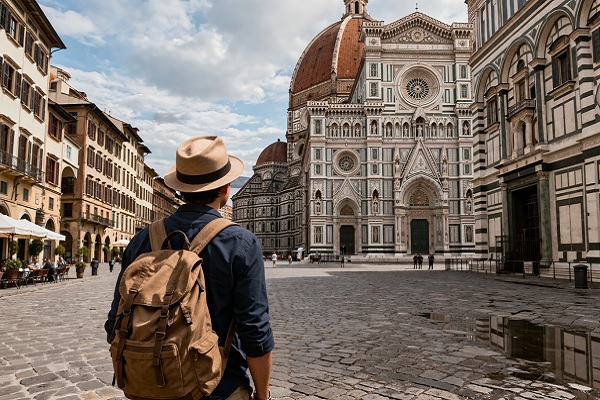
When planning a trip, one of the biggest decisions travelers face is whether to join a guided tour or explore independently through self-guided travel. Each option offers distinct advantages depending on your destination, travel style, experience level, and personal preferences.
Understanding the differences helps travelers choose the approach that delivers the most rewarding and comfortable experience. 🌍✈️
What Is Guided Travel?
Guided travel involves joining a structured itinerary led by professional tour leaders or local experts. These tours may include transportation, accommodation arrangements, attraction entry, and scheduled activities.
Common features of guided tours
Typically include:
- Professional tour guides
- Pre-arranged itineraries
- Group transportation
- Accommodation coordination
- Attraction entry planning
- Cultural or historical explanations
This structure reduces planning effort significantly.
What Is Self-Guided Travel?
Self-guided travel means planning and managing your own itinerary without a tour organizer. Travelers decide where to go, how long to stay, and what activities to prioritize.
Common features of self-guided travel
Usually involve:
- Flexible daily schedules
- Independent transportation choices
- Personalized accommodation selection
- Spontaneous exploration opportunities
- Control over travel pace
This approach offers maximum freedom during the trip.
Key Differences Between Guided and Self-Guided Travel
Both styles serve different types of travelers and trip objectives.
Structure vs flexibility
Guided travel provides:
- Fixed itineraries
- Scheduled activities
- Organized transportation
Self-guided travel allows:
- Flexible plans
- Route changes anytime
- Personalized exploration timing
Travelers who value freedom often prefer independent travel.
Planning effort required
Guided tours reduce preparation workload because providers arrange logistics.
Self-guided travel requires planning:
- Routes
- accommodation
- transportation
- attraction visits
However, this planning allows greater personalization.
Cultural learning experience
Guided tours often include expert insights about local history and traditions.
Benefits include:
- Context-rich storytelling
- deeper understanding of landmarks
- easier cultural interpretation
Self-guided travel encourages discovery through personal observation and research.
Both approaches offer meaningful cultural exposure in different ways. 📍
Cost Comparison
Budget considerations often influence travel decisions.
Guided travel costs
Guided tours may include bundled pricing covering:
- transport
- accommodation
- attraction access
- guide services
Although the upfront cost may seem higher, bundled services simplify budgeting.
Self-guided travel costs
Independent travel allows travelers to:
- choose budget accommodations
- compare transport options
- prioritize free attractions
- adjust spending daily
This flexibility can lower overall travel expenses.
Time Efficiency During Travel
Time management becomes especially important in short trips.
Guided tours help travelers:
- avoid navigation confusion
- skip planning delays
- visit multiple attractions efficiently
- reduce decision fatigue
Self-guided travelers enjoy slower exploration but may spend extra time organizing logistics.
Social Experience Differences
Travel companionship can influence enjoyment.
Guided tours provide:
- group interaction opportunities
- shared experiences with other travelers
- structured social environments
Self-guided travel supports:
- solo exploration
- private group experiences
- flexible interaction with locals
Both styles suit different personality preferences. 😊
Safety and Comfort Considerations
Safety often plays a major role when visiting unfamiliar destinations.
Guided tours provide reassurance through:
- local guide support
- planned routes
- language assistance
- emergency coordination
Self-guided travel offers independence but requires stronger preparation and awareness.
Destination Accessibility
Some destinations are easier to explore independently than others.
Guided tours are especially helpful in:
- remote regions
- culturally complex areas
- locations with language barriers
- multi-country itineraries
Self-guided travel works best in destinations with:
- strong public transport systems
- clear signage
- traveler-friendly infrastructure
Matching travel style to destination complexity improves the overall experience.
Customization and Personal Freedom
Personalization is one of the biggest differences between both travel styles.
Guided tours offer convenience but limited schedule flexibility.
Self-guided travel allows:
- spontaneous itinerary changes
- longer stays at favorite locations
- personalized attraction choices
- flexible meal planning
Freedom often appeals to experienced travelers.
When Guided Travel Is the Better Choice
Guided tours work especially well for travelers who:
- are visiting a destination for the first time
- prefer structured travel schedules
- want deeper historical explanations
- have limited planning time
- feel more comfortable traveling in groups
This approach reduces uncertainty during travel.
When Self-Guided Travel Works Best
Independent travel is ideal for travelers who:
- enjoy flexible itineraries
- prefer slower travel pacing
- are comfortable navigating new places
- want budget control
- like discovering hidden local experiences
This style supports personalized exploration.
Combining Both Travel Styles
Many travelers successfully combine guided and independent travel.
Examples include:
- joining guided day tours within a self-planned trip
- using local walking tours in major cities
- booking guided excursions in remote regions only
This hybrid approach offers flexibility with expert support when needed.
Frequently Asked Questions (FAQs)
1. Are guided tours suitable for solo travelers?
Yes, guided tours are popular among solo travelers because they provide structured support and social interaction opportunities.
2. Do guided tours limit free time during trips?
Some tours include scheduled free time, but flexibility varies depending on the itinerary and tour operator.
3. Is self-guided travel difficult for first-time international travelers?
Not necessarily, especially in destinations with strong tourism infrastructure and reliable transportation systems.
4. Can travelers switch between guided and independent travel during one trip?
Yes, combining both styles often creates a balanced and flexible travel experience.
5. Are guided tours faster than self-planned itineraries?
Guided tours are usually more time-efficient because transportation and attraction access are prearranged.
6. Which travel style offers better cultural interaction with locals?
Self-guided travel often allows more spontaneous local interaction, though guided tours provide deeper structured cultural insight.
7. Is travel insurance recommended for both guided and self-guided travel?
Yes, travel insurance is important regardless of travel style to protect against unexpected disruptions and emergencies.
Comments are closed.