

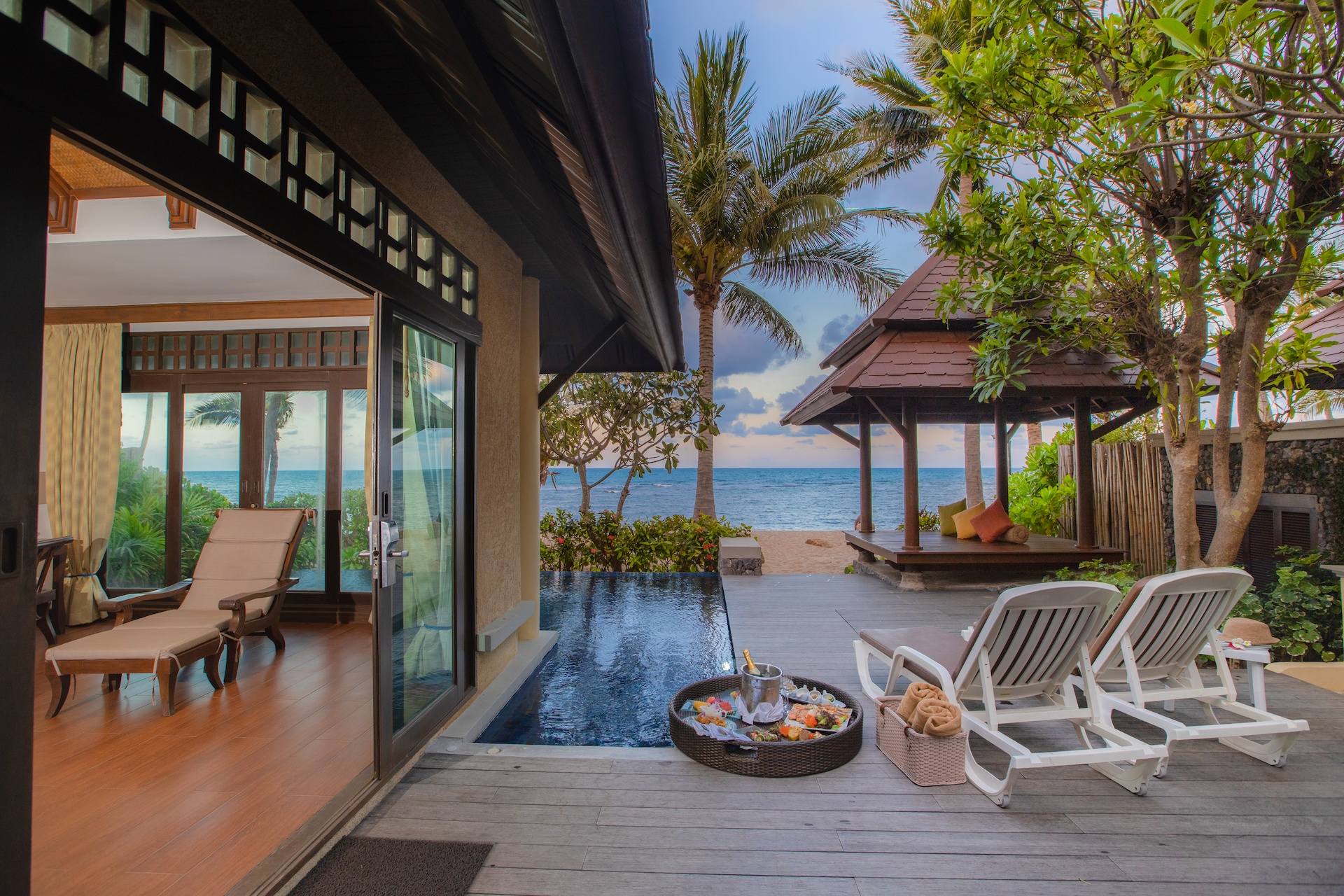
Thailand’s coast has long drawn travellers who want quiet space, sea views, and a close link to local life. Beachfront villas stand out for the way they place people right by the shore, often with open-air living areas, shaded terraces, and easy access to sand and water. In places linked to the phrase villa resort khao Lak, this style of stay reflects a wider Thai coastal culture shaped by climate, design, and daily rhythms.
One reason these villas appeal to visitors is their sense of privacy. Hotels can feel busy, especially in well-known beach areas, while a villa often creates a calmer setting. This suits families, groups of friends, or couples who want room to spend time together without the noise of shared public spaces.
Thai beachfront villas also show how architecture responds to heat, rain, and sea air. Many use wide roofs, covered outdoor spaces, and natural materials such as wood and stone. Large windows and sliding doors help bring in light and breezes. These features are not only attractive but practical. They reflect long-standing building ideas found across Thailand, where shade, airflow, and a strong link between indoor and outdoor living matter in daily life.
Location shapes the character of each villa. On the Andaman coast, beaches often have soft sand, calm mornings, and views that change with the season. Areas near fishing villages may offer a glimpse of working boats, fresh seafood markets, and temples used by local communities. On islands or in quieter mainland districts, beachfront living can feel slower and more grounded. The setting often affects how people spend their time, from early walks on the beach to evenings listening to the sea after sunset.
Food also plays a part in the appeal. A villa stay in Thailand can bring guests closer to regional cooking, from southern curries to grilled fish and fruit picked nearby. Local ingredients shape the meals, and coastal regions often have strong food traditions linked to the sea. Even when meals are simple, the setting changes the experience. Eating outdoors, with warm air and the sound of waves in the background, becomes part of the memory.
Another part of the charm lies in how these villas support a different pace. Days often begin earlier, shaped by sunrise and cooler air. People may swim, read, rest, or visit nearby markets and small cafés. This slower pattern can feel refreshing for those used to crowded cities and fixed schedules. In Thailand, where hospitality often includes warmth and ease, the villa setting fits naturally with a more relaxed way of spending time.
Beachfront villas in Thailand continue to attract interest because they combine comfort with a strong sense of place. They offer direct contact with the coast while reflecting local building styles, food, and daily habits. For many visitors, that mix leaves a lasting impression—simple, calm, and closely tied to the character of Thailand’s shore.
Comments are closed.