

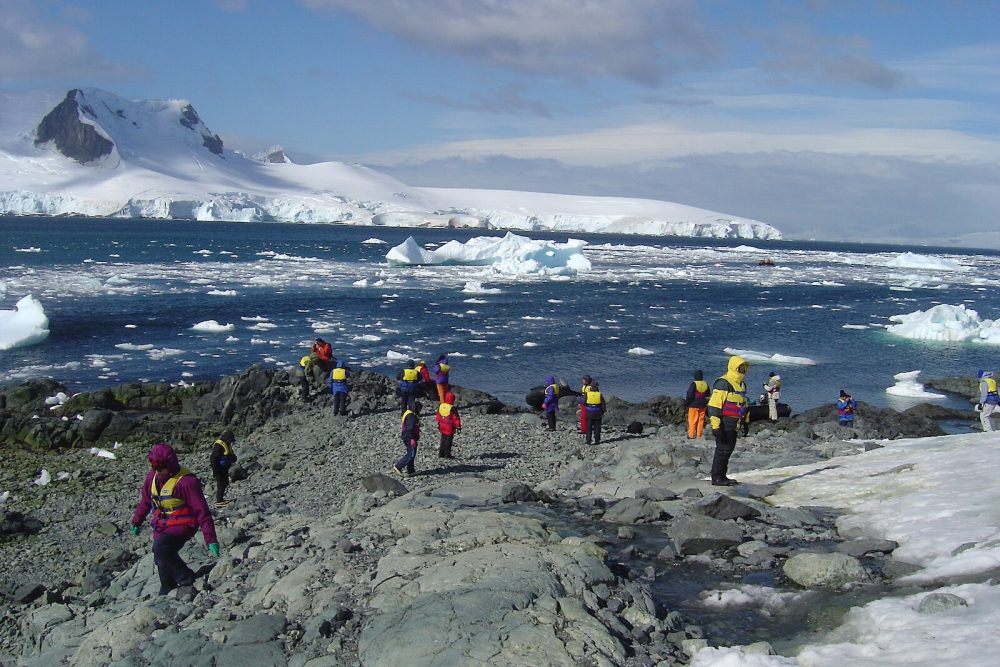
Antarctica, the Earth’s southernmost continent, represents the pinnacle of untouched wilderness. Its pristine ice sheets, towering glaciers, and unique wildlife have captivated explorers and adventurers for centuries. Today, a growing number of intrepid travelers are embarking on an antarctica expedition, drawn by the promise of an unparalleled experience. However, this surge in interest raises critical questions about the long-term sustainability of tourism in such a fragile environment. Can we truly balance the desire for adventure with the imperative of preservation?
The Allure of the White Continent
The appeal of Antarctica is undeniable. It’s a land of superlatives: the coldest, driest, highest, and windiest continent. For many, an antarctica expedition is a once-in-a-lifetime journey, offering encounters with colossal icebergs, playful penguins, majestic whales, and vast, silent landscapes that dwarf human existence. Beyond the visual spectacle, it’s an opportunity for profound introspection, a chance to witness the raw power of nature and understand the delicate balance of our planet’s ecosystems.
Historically, Antarctic exploration was the domain of scientists and hardy explorers. Today, improved technology, more comfortable vessels, and a growing appetite for experiential travel have democratized access. The International Association of Antarctica Tour Operators (IAATO) reported over 105,000 visitors during the 2022-2023 season, a significant increase from previous years. This growth, while economically beneficial for operators and local economies in gateway cities, also presents a complex challenge for environmental stewardship.
Navigating the Ethical Iceberg: Challenges and Concerns
The very act of visiting Antarctica, even with the best intentions, carries inherent risks to its delicate ecosystem. The primary concerns revolve around:
Environmental Impact
- Introduction of Non-Native Species: Visitors and their gear can inadvertently transport seeds, spores, or microorganisms from other parts of the world, potentially disrupting native flora and fauna.
- Wildlife Disturbance: While strict guidelines are in place, the sheer presence of humans, even at a distance, can stress wildlife, particularly during sensitive breeding seasons. Ship noise and light pollution are also factors.
- Pollution and Waste Management: Even with robust waste management protocols on board, the potential for accidental spills or improper disposal of waste remains a threat in such an isolated environment.
- Carbon Footprint: Reaching Antarctica, primarily by cruise ship and air travel, involves significant carbon emissions, contributing to the very climate change that threatens the continent’s ice.
Safety and Infrastructure
- Remote Location and Harsh Conditions: Antarctica’s extreme weather and remoteness pose significant safety challenges. Medical emergencies, search and rescue operations, and logistical support are incredibly complex and costly.
- Limited Infrastructure: The continent has virtually no permanent infrastructure to support large-scale tourism, meaning all services must be self-contained on vessels, increasing the burden on operators.
Regulatory Oversight and Enforcement
While IAATO plays a crucial role in self-regulation, the continent operates under the Antarctic Treaty System, which designates it as a scientific preserve. Ensuring strict adherence to environmental protocols across all operators, particularly those outside IAATO, requires constant vigilance and robust enforcement mechanisms.
Charting a Course for Responsible Tourism
Despite the challenges, the future of Antarctic tourism doesn’t have to be one of unavoidable degradation. With careful planning, stringent regulations, and a commitment to education, an antarctica expedition can continue to be a force for good, fostering appreciation and advocacy for this unique region.
The Role of Regulatory Bodies and Operators
- Stricter Emission Standards: Encouraging or mandating the use of lower-emission fuels, hybrid propulsion systems, and advanced waste treatment technologies on all vessels.
- Visitor Limits and Zoning: Implementing stricter limits on the number of visitors at specific landing sites and exploring “no-go” zones to allow sensitive areas to recover.
- Enhanced Biosecurity Protocols: Developing even more rigorous protocols for cleaning gear, clothing, and footwear before and after landings to prevent the introduction of foreign species.
- Mandatory Environmental Education: All visitors should undergo comprehensive pre-trip briefings on Antarctic ecology, history, and responsible visitor behavior.
Empowering the Traveler
- Choose Reputable Operators: Opt for companies that are members of IAATO, demonstrating a commitment to environmental protection and safety. Research their sustainability practices thoroughly.
- Minimize Your Footprint: Be mindful of your waste, conserve resources on board, and adhere strictly to all guidelines provided by your expedition staff.
- Become an Advocate: Use your experience to educate others about the importance of Antarctic conservation and the impacts of climate change. Support organizations dedicated to protecting polar regions.
- Support Citizen Science: Some expeditions offer opportunities to participate in citizen science projects, contributing valuable data to ongoing research efforts.
The Horizon: Innovation and Education
The future of Antarctic tourism will likely see a greater emphasis on innovation. This could include the development of even more eco-friendly vessels, advanced monitoring technologies to track environmental impact, and immersive virtual reality experiences that allow a broader audience to “visit” Antarctica without physically being there. Education will remain paramount, transforming tourists into ambassadors for conservation. By fostering a deep understanding and emotional connection to this extraordinary place, we can ensure that future generations also have the opportunity to marvel at its untouched beauty.
Conclusion: A Shared Responsibility
An antarctica expedition offers an unparalleled opportunity to connect with the planet’s wildest frontier. However, this privilege comes with a profound responsibility. The future of tourism in Antarctica hinges on a collective commitment from operators, regulators, and travelers themselves. By prioritizing conservation, embracing sustainable practices, and fostering a deep respect for this unique environment, we can ensure that Antarctica remains a beacon of pristine wilderness for centuries to come, a testament to what responsible adventure can achieve.
Author Bio: The author is a passionate environmental writer and seasoned traveler, with a particular interest in polar ecosystems. Their work focuses on exploring the delicate balance between human exploration and ecological preservation, aiming to inspire a deeper appreciation for the planet’s most fragile environments. With extensive experience reporting on conservation efforts, they advocate for responsible tourism and sustainable practices across the globe.
Comments are closed.