

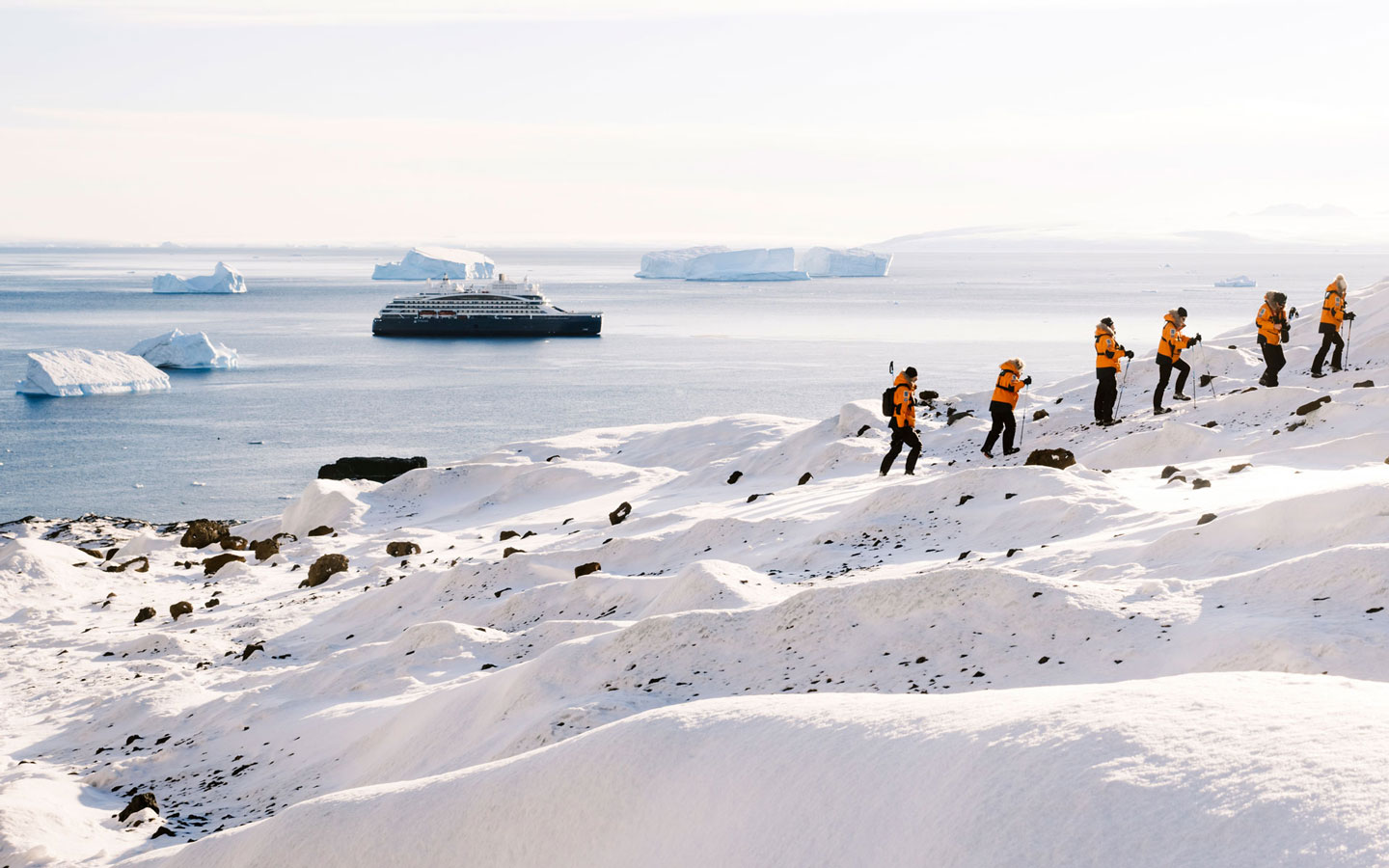
The vast, unforgiving expanse of Antarctica has long captivated the human spirit, a stark reminder of nature’s raw power and the indomitable will required to confront it. While modern antarctica expeditions benefit from advanced technology and sophisticated logistics, the fundamental challenges of leadership, resilience, and adaptability remain. Few figures embody these qualities more profoundly than Sir Ernest Shackleton, whose legendary Imperial Trans-Antarctic Expedition (1914-1917) offers timeless lessons for anyone venturing into the unknown, whether literal or metaphorical. His story isn’t just one of survival; it’s a masterclass in human endeavor against overwhelming odds.
Unwavering Optimism in the Face of Adversity
Shackleton’s most remarkable trait was his unwavering optimism, even when faced with seemingly insurmountable obstacles. After his ship, the Endurance, was crushed by ice, leaving his crew stranded on a floe, he maintained an extraordinary level of morale. He understood that despair was a greater enemy than the cold or starvation.
- Actionable Insight: Modern leaders, whether guiding a team through a complex project or embarking on an antarctica expedition, must cultivate and project optimism. This doesn’t mean ignoring reality, but rather focusing on solutions and maintaining belief in the team’s ability to overcome. A leader’s attitude is contagious; negativity can cripple a group faster than any external threat.
Studies in organizational psychology consistently show that leaders who demonstrate positive emotional states during crises inspire greater trust, collaboration, and problem-solving among their teams. Shackleton instinctively knew this, using humor, shared tasks, and a clear vision of eventual rescue to keep spirits high.
Prioritizing People Above All Else
Shackleton famously declared, “A man must shape himself to a new mark directly the old one goes to pieces.” His ultimate success lay in bringing every single member of his crew home alive, despite losing his ship and failing to achieve his primary scientific objective. He prioritized the well-being of his men above all else, even his own personal comfort. He shared rations equally, rotated duties to prevent monotony, and actively engaged with each individual to understand their state of mind.
- Actionable Insight: For any high-stakes venture, be it a corporate turnaround or a challenging antarctica expedition, the human element is paramount. Invest in your team’s physical and psychological health. Understand their strengths and weaknesses, and foster an environment where mutual support is the norm. A group’s collective spirit and cohesion are its strongest assets in times of crisis.
This principle is echoed in modern leadership theory, particularly in fields requiring high-performance teams, such as special forces or emergency response. The emphasis is always on “mission command” – empowering individuals while ensuring their safety and well-being are never compromised.
The Power of Adaptability and Resourcefulness
Shackleton’s expedition was a continuous exercise in improvisation. When the Endurance was trapped, he adapted. When it sank, he adapted again, transforming his crew into a self-sufficient unit living on ice floes. The epic journey of the James Caird – an open boat voyage across 800 miles of the world’s stormiest seas – is the ultimate testament to his and his crew’s resourcefulness. They modified the small vessel, navigated by sextant in treacherous conditions, and landed on South Georgia Island against all odds.
- Actionable Insight: Rigidity in planning can be fatal in unpredictable environments. Modern explorers and leaders must cultivate a mindset of extreme adaptability. Be prepared to pivot, rethink strategies, and utilize available resources in unconventional ways. Develop contingency plans not just for what might go wrong, but for what you’ll do when everything goes wrong.
In today’s rapidly changing world, businesses and individuals alike face “black swan” events. Shackleton’s story serves as a powerful case study in how to not just survive, but thrive, when the original plan becomes obsolete.
Strategic Delegation and Shared Leadership
While Shackleton was undeniably the leader, he was also a master of delegation. He entrusted key responsibilities to his officers and relied on their expertise. Frank Worsley, the navigator, was crucial during the James Caird voyage. Frank Wild, his second-in-command, was left in charge of the main party on Elephant Island while Shackleton sought rescue. This ability to empower others fostered a sense of shared ownership and responsibility among the crew.
- Actionable Insight: True leadership isn’t about doing everything yourself; it’s about building a capable team and empowering them. Delegate effectively, trust your team members, and cultivate a culture where everyone feels they have a vital role to play. This not only lightens the leader’s burden but also builds resilience and capability within the entire group.
Research by Google into their highest-performing teams (Project Aristotle) found that psychological safety and shared understanding of roles were more critical than individual skill sets. Shackleton intuitively created this environment, ensuring his team’s success in the most extreme conditions.
Conclusion: Shackleton’s Enduring Legacy
Ernest Shackleton’s Imperial Trans-Antarctic Expedition is more than just a historical footnote; it’s a living testament to the power of human spirit, exceptional leadership, and unwavering determination. For anyone contemplating a challenging journey, whether it’s a modern antarctica expedition or a personal quest against formidable odds, the lessons from the Boss are invaluable. His legacy reminds us that while the destination is important, the journey, and how we navigate its storms with our team, often defines our greatest triumphs. Embrace optimism, prioritize your people, remain adaptable, and delegate wisely – these are the compass points for navigating any wilderness, polar or otherwise.
Author Bio:
A seasoned writer with a passion for exploration and human endeavor, this author specializes in crafting compelling narratives that bridge historical insights with contemporary challenges. With a keen interest in environmental science and adventure, their work often delves into stories of resilience, leadership, and the profound impact of nature on the human spirit. They believe that understanding past expeditions offers invaluable wisdom for present-day ventures.
Comments are closed.